

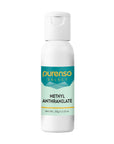
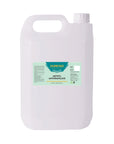
Methyl Anthranilate
Methyl Anthranilate is a widely used aroma chemical in perfumery and fragrance formulations, known for its sweet fruity grape-like aroma with floral nuances. It is commonly used in perfumes, soaps, cosmetics, and personal care products to create fruity and floral fragrance compositions.
This ingredient is especially valued by perfumers for developing grape, orange blossom, and fruity-floral accords, making it a versatile raw material in modern fragrance creation.
Purenso provides high-quality Methyl Anthranilate suitable for perfume, cosmetic, and fragrance applications.
What is Methyl Anthranilate?
Methyl Anthranilate is an aromatic ester widely used in perfumery, cosmetic fragrances, and flavor formulations due to its sweet, fruity grape-like aroma with floral nuances. It naturally occurs in small amounts in certain plants and fruits, particularly in grapes and orange blossom, which is why it is often used to create fruity and floral fragrance accords.
In the fragrance industry, Methyl Anthranilate is valued for its ability to enhance grape, jasmine, and orange blossom notes in perfumes, soaps, and personal care products. Because of its distinctive scent and good blending properties, it is commonly used by perfumers to develop fruity-floral fragrance compositions in both fine fragrances and cosmetic products.
Main Synonyms: Methyl 2-Aminobenzoate, Anthranilic Acid Methyl Ester, Methyl Anthranilate Ester, Methyl Anthranilate, Grape Aroma Chemical, Grape Fragrance Ingredient
Key Features:
- High-Purity Aroma Chemical
- Perfume & Cosmetic Grade
- Sweet Fruity Grape-Like Aroma
- Ideal for Perfume & Fragrance Formulations
- Suitable for Soaps, Cosmetics & Personal Care Fragrances
- Vegan & Cruelty-Free Raw Material
- Widely Used Perfumery Ingredient
Odor Profile - Sweet, fruity, grape-like with floral undertones
Note: Middle note
Characteristic: Grape and orange blossom nuance
Use Level: 0.05% – 5% in fragrance formulations depending on the application and fragrance intensity required.
How to Use: Methyl Anthranilate is incorporated during the fragrance formulation stage. Add the required quantity to the fragrance blend and mix thoroughly until evenly dispersed. It blends well with other aroma chemicals, essential oils, and fragrance ingredients used in fruity and floral perfume compositions.
Suitable to produce: Perfumes, Fragrance Oils, Soaps, Cosmetic Fragrances, Personal Care Products, Candles, Air Fresheners, Room Sprays, Household Fragrance Products.
INCI Name: Methyl Anthranilate
Why Buy Methyl Anthranilate from Purenso
Purenso provides high-quality fragrance ingredients suitable for perfume and cosmetic manufacturing. Our Methyl Anthranilate is sourced and handled carefully to ensure consistent aroma performance and formulation reliability.
✔ High Purity Quality
✔ Consistent Fragrance Performance
✔ Trusted Perfume Raw Material Supplier
✔ Suitable for Multiple Applications
✔ Carefully Sourced Ingredients
Purenso serves perfume manufacturers, cosmetic brands, fragrance formulators, and hobbyists worldwide looking for dependable aroma chemicals and perfume ingredients.
🌿 High-Purity Aroma Chemical 💎 Perfume & Cosmetic Grade 🍇 Sweet Fruity Grape-Like Aroma 🧪 Ideal for Perfume & Fragrance Formulations 🧴 Suitable for Soaps, Cosmetics & Personal Care Fragrances 🌱 Vegan & Cruelty-Free Raw Material ⚗ Widely Used Perfumery Ingredient
This product is a cosmetic raw material and is intended for external use only in cosmetic and personal care formulations. It is not intended for internal consumption or medicinal use.
- Do not ingest.
- Keep out of reach of children.
- Avoid direct contact with eyes.
All product images are for illustrative purposes only. Actual product color, texture, or packaging may vary from batch to batch.
Information provided on this website is for educational purposes only and should not be considered or interpreted as medical advice.
While we do not offer products for internal use, we source only high-quality, pharmaceutical or food-grade ingredients. Ingredient purity and performance are critical in cosmetic applications, just as they are in ingestible products.
Please note:
Just because two products have the same name or CAS number does not guarantee the same grade, purity, or effectiveness. Always choose trusted suppliers. Choose Purenso for premium-grade ingredients you can rely on.
FREQUENTLY ASKED QUESTIONS