

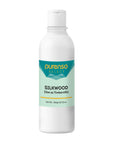
Silkwood (Use as Timbersilk)
Silkwood (Timbersilk Type) is a modern woody-amber aroma molecule widely used in perfumery to add smooth woodiness, volume, and long-lasting diffusion to fragrance compositions. Known for its clean, dry, cedar-amber profile, Silkwood enhances structure and performance while giving fragrances a contemporary, elegant character.
At Purenso, Silkwood is supplied as a high-quality perfumery ingredient suitable for use across fine fragrances, personal care, and home fragrance applications.
Why we use in formulation: Silkwood is used in fragrance formulations to add modern woody-amber character, improve diffusion, and enhance longevity. It provides smooth volume and structure to a blend, helping fragrances project better while maintaining a clean, elegant profile. Silkwood also supports and lifts woody, amber, musky, and fresh notes, making compositions feel more balanced, long-lasting, and contemporary.
Main Synonyms: Silkwood is also known as Timbersilk, Woody Amber Molecule, and is often described as an Iso E Super–type aroma ingredient or diffusive woody note in perfumery, valued for adding smooth woodiness, volume, and long-lasting radiance to fragrance.
Key Benefits:
- Adds smooth woody-amber and cedar-like notes
- Enhances diffusion, radiance, and longevity
- Provides volume and structure to fragrance blends
- Clean, modern character ideal for contemporary perfumery
- Works as both a base note and performance booster
Odor Profile - Woody / Amber
Notes - Dry woods, cedar, soft amber, clean musk-like facets
Function - Diffusion enhancer & base note support
Solubility - Soluble in alcohol, DPG, and common perfume solvents
Use Level - 0.5% – 10% (Usage depends on fragrance style and desired intensity)
How to Use: Silkwood (Timbersilk type) is used as a woody-amber aroma ingredient in fragrance formulations. Add it to the oil or solvent phase of your formulation and blend thoroughly until uniform.
For best results:
- Pre-dilute in alcohol, DPG, or perfume solvents if required
- Use at 0.5%–10%, depending on the fragrance style and desired intensity
- Combine with amber, woody, musky, spicy, or fresh notes to enhance diffusion and longevity
Always conduct a small-batch trial and stability test before full-scale production.
Suitable to produce: Silkwood (Timbersilk Type) is commonly used in:
- Fine perfumes & EDP formulations
- Attars and concentrated fragrance oils
- Body sprays & deodorant fragrances
- Soap, detergent & fabric care fragrances
- Home fragrance & incense formulations
INCI Name: Sylvamber
🌿 Phthalate-Free I 💎 Cosmetic Grade I🌱 Vegan & Cruelty-Free
This product is a cosmetic raw material and is intended for external use only in cosmetic and personal care formulations. It is not intended for internal consumption or medicinal use.
- Do not ingest.
- Keep out of reach of children.
- Avoid direct contact with eyes.
All product images are for illustrative purposes only. Actual product color, texture, or packaging may vary from batch to batch.
Information provided on this website is for educational purposes only and should not be considered or interpreted as medical advice.
While we do not offer products for internal use, we source only high-quality, pharmaceutical or food-grade ingredients. Ingredient purity and performance are critical in cosmetic applications, just as they are in ingestible products.
Please note:
Just because two products have the same name or CAS number does not guarantee the same grade, purity, or effectiveness. Always choose trusted suppliers. Choose Purenso for premium-grade ingredients you can rely on.
FREQUENTLY ASKED QUESTIONS