

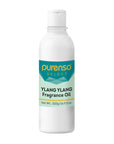
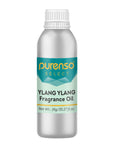
Ylang Ylang Fragrance Oil
Floral • Exotic • Creamy • Sensual
Purenso Select Ylang Ylang Fragrance Oil is a rich tropical floral fragrance with a soft, creamy and slightly sweet character inspired by the exotic aroma of ylang-ylang blossoms.
Its elegant floral profile feels lush, smooth and sensual, making it especially suitable for perfumes, body mists, soaps, candles, bath & body products and home-fragrance formulations.
Ylang Ylang works beautifully both as a standalone floral fragrance and as a blending note with Vanilla, Musk, Citrus, Guava, Sea Salt, Amber and woody fragrances.
What Does Ylang Ylang Fragrance Oil Smell Like?
Ylang Ylang Fragrance Oil has a rich floral, creamy and slightly sweet tropical aroma. The fragrance has a luxurious floral personality and can feel both feminine and unisex depending on the way it is blended.
Fragrance Profile -
Fragrance Family: Floral / Tropical
Aroma: Rich, creamy, floral and slightly sweet
Character: Exotic / Elegant / Sensual
Intensity: Medium to Rich
Best For: Perfumes, body care, soaps, candles and floral home-fragrance products
Why Choose Purenso Ylang Ylang Fragrance Oil?
- Rich tropical floral fragrance
- Creamy and elegant floral character
- Excellent for perfumes and body mists
- Suitable for soaps and candles
- Ideal for premium bath & body products
- Works beautifully in floral, gourmand and tropical blends
- Suitable for DIY creators and professional formulators
- Available in small and bulk quantities
- Concentrated fragrance raw material
-
Ideal for luxury, floral and exotic fragrance collections
Recommended Usage Rate: 0.2–20%, depending on the application.
| Application | Recommended Usage |
|---|---|
| Perfume / EDP | 15–20% |
| Perfume Oil / Roll-On | 15–20% |
| Body Mist | 3–8% |
| Melt & Pour Soap | 1–2% |
| Cold Process Soap | 2–3% of total oils |
| Body Wash / Shower Gel | 0.5–1% |
| Shampoo | 0.5–1% |
| Body Lotion / Cream | 0.2–0.5% |
| Candles | 6–8% of wax weight |
| Wax Melts | 6–10% |
| Reed Diffuser | 15–20% |
| Room Spray | 2–5% |
Important: These percentages are general formulation starting points, not universal maximum-use limits. Final usage should be determined according to the finished product, base compatibility, desired fragrance strength and applicable safety documentation. Always perform a small stability, compatibility and performance test before commercial production.
For candles, fragrance load should also remain within the recommended limit of the specific wax being used.
Blending Suggestions: Ylang Ylang works particularly well with:
Bourbon Vanilla – for a warm, creamy floral-gourmand profile
Guava – for a juicy tropical floral-fruity blend
Sea Salt – for a fresh coastal-floral fragrance
Red Raspberry – for a playful berry-floral composition
Cashmere Musk – for a soft, elegant and refined floral finish
Sandalwood – for a smooth, sensual floral-woody profile
Citrus Notes – for a brighter, fresher tropical floral fragrance
Amber – for a warmer, deeper and more sensual floral profile
Teakwood – for a richer floral-woody composition
White Florals – for a more opulent floral bouquet
Phthalates: Product is Phthalate Free
INCI: Parfum (Fragrance)
Solubility: Generally oil and alcohol compatible; not directly water soluble
Application: Perfume, soap, candles, body care, room fragrance and DIY formulations
Formulation & Safety Advice
Ylang Ylang Fragrance Oil is a concentrated fragrance raw material and should normally be incorporated into a suitable finished formulation rather than applied directly to the skin.
Always:
- Test compatibility with your chosen formulation or base
- Conduct a small trial batch before bulk production
- Perform appropriate stability testing
- Patch-test finished leave-on cosmetic products where appropriate
- Avoid contact with eyes
- Keep away from children
- Do not ingest
- Do not use in lip-care or eye-care products unless specifically established as suitable for that application
Actual fragrance performance, colour and behaviour may vary depending on the formulation, base, wax, surfactant system and other ingredients used.


This product is a cosmetic raw material and is intended for external use only in cosmetic and personal care formulations. It is not intended for internal consumption or medicinal use.
- Do not ingest.
- Keep out of reach of children.
- Avoid direct contact with eyes.
All product images are for illustrative purposes only. Actual product color, texture, or packaging may vary from batch to batch.
Information provided on this website is for educational purposes only and should not be considered or interpreted as medical advice.
While we do not offer products for internal use, we source only high-quality, pharmaceutical or food-grade ingredients. Ingredient purity and performance are critical in cosmetic applications, just as they are in ingestible products.
Please note:
Just because two products have the same name or CAS number does not guarantee the same grade, purity, or effectiveness. Always choose trusted suppliers. Choose Purenso for premium-grade ingredients you can rely on.
FREQUENTLY ASKED QUESTIONS